
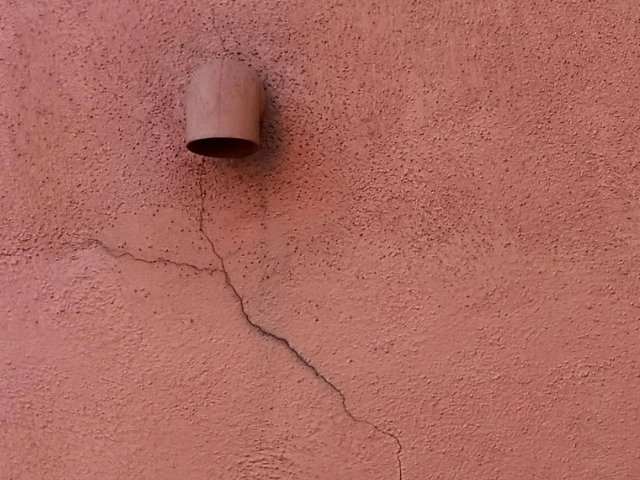
Stucco Cracks in Tucson:
When Should Homeowners Worry?
If you own a home in Southern Arizona, chances are you’ve noticed cracks in your stucco at some point. In Tucson, stucco cracking is extremely common due to our desert climate, soil conditions, and temperature swings. But while some cracks are purely cosmetic, others can point to larger concerns hiding beneath the surface.
The challenge for homeowners is knowing the difference.
At Arizona Home Inspections LLC, we frequently evaluate stucco cracks during home inspections in Tucson, pre-listing inspections, warranty inspections, and new construction inspections. Some cracks are minor and expected. Others may indicate moisture intrusion, drainage problems, foundation movement, or construction defects.
Understanding what causes stucco cracks—and when to take them seriously—can help protect your home and avoid costly repairs later.
Are Stucco Cracks Normal in Arizona?
In many cases, yes.
Tucson homes experience extreme heat during the summer followed by cooler nighttime temperatures. This constant expansion and contraction naturally places stress on exterior materials like stucco.
In addition, Arizona’s expansive soils can shift over time, causing subtle movement in foundations and framing. Minor settling and thermal movement often lead to small cracking around windows, doors, and wall transitions.
Hairline cracking in stucco is fairly common in Tucson homes, especially as homes age. However, not all cracks should be ignored.
Common Types of Stucco Cracks
Different crack patterns can indicate different underlying conditions. Here are some of the most common types we see during Tucson home inspections.
Hairline Cracks
These are thin, surface-level cracks that often occur from normal curing or minor expansion and contraction. Small hairline cracks are usually cosmetic but should still be monitored and sealed to prevent moisture intrusion.
Spider Cracking
Spider cracks appear as a web-like pattern across the stucco surface. These may develop from improper stucco application, poor curing conditions, or thermal stress.
Diagonal Cracks
Diagonal cracking near doors, windows, or corners can sometimes indicate structural movement or foundation settlement. These cracks deserve closer evaluation.
Horizontal Cracks
Horizontal cracks are often more concerning because they can indicate framing movement, drainage issues, or structural stress.
Cracks Around Windows and Doors
Openings in the home naturally create stress points. Cracks in these areas may result from settling, improper installation, or moisture-related movement.
When Stucco Cracks Become a Bigger Problem
While some stucco cracking is expected, certain warning signs may indicate more significant issues.
Moisture Intrusion
Stucco acts as a protective barrier for the home. When cracks allow water intrusion behind the stucco system, moisture can damage framing, insulation, and interior finishes.
This becomes especially important during Tucson’s monsoon season.
Foundation Movement
Large or expanding cracks may point to movement in the foundation or framing structure. Soil settlement, improper drainage, or expansive soil conditions can contribute to structural stress.
Improper Drainage
Poor grading around the home can direct water toward the foundation and exterior walls, increasing the risk of cracking and moisture damage.
Construction Defects
In newer homes, stucco cracks may result from improper installation, insufficient expansion joints, or rushed construction practices.
What a Tucson Home Inspector Looks For
At Arizona Home Inspections LLC, we evaluate stucco cracks as part of a larger picture. The crack itself is important—but so is what may be causing it.
During a stucco evaluation, we look for:
- Crack size and pattern
- Signs of active movement
- Moisture intrusion concerns
- Drainage and grading issues
- Improper flashing details
- Foundation settlement indicators
- Evidence of previous patching or repairs
In some cases, advanced tools like infrared imaging may help identify hidden moisture concerns behind exterior walls.
Why Early Detection Matters
Ignoring stucco cracks can lead to much larger and more expensive repairs over time. What begins as a small opening can eventually allow moisture intrusion, structural deterioration, or interior damage.
Early identification allows homeowners to:
- Address issues before they worsen
- Prevent water intrusion
- Monitor structural movement
- Preserve the home’s exterior appearance
- Protect long-term property value
For homeowners preparing to buy, sell, or submit warranty claims, a professional inspection can provide valuable peace of mind.
Final Thoughts
Stucco cracks are common in Tucson homes, but not every crack should be dismissed as “normal.” Understanding the difference between cosmetic cracking and signs of larger issues is critical to protecting your investment.
If you’ve noticed cracking on your home’s exterior and want a professional evaluation, Arizona Home Inspections LLC can help identify potential concerns before they become costly problems.
Whether you’re purchasing a home, approaching your builder warranty deadline, or simply want peace of mind, a professional inspection can provide clarity and confidence.


